Pastāsti draugiem par šo preci:
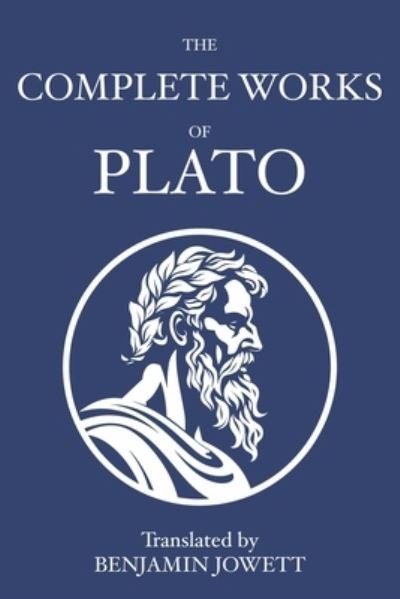
Plato's Apology, Crito and Phaedo of Socrates
 Ziemassvētku dāvanas var atgriezt līdz 31. janvārim

Mūsu klienti saka:


Pieejams arī kā:
Plato's Apology, Crito and Phaedo of Socrates
Plato
This eBook contains Henry Cary's classic translation into English of three of Plato's dialogues on the philosophies of Socrates: the Apology, the Crito and the Phaedo. INTRODUCTION TO THE CRITO. It has been remarked by Stallbaum that Plato had a twofold design in this dialogue-one, and that the primary one, to free Socrates from the imputation of having attempted to corrupt the Athenian youth; the other, to establish the principle that under all circumstances it is the duty of a good citizen to obey the laws of his country. These two points, however, are so closely interwoven with each other, that the general principle appears only to be illustrated by the example of Socrates. Crito was one of those friends of Socrates who had been present at his trial, and had offered to assist in paying a fine, had a fine been imposed instead of the sentence of death. He appears to have frequently visited his friend in prison after his condemnation; and now, having obtained access to his cell very early in the morning, finds him composed in a quiet sleep. He brings intelligence that the ship, the arrival of which would be the signal for his death on the following day, is expected to arrive forthwith, and takes occasion to entreat Socrates to make his escape, the means of which were already prepared. Socrates thereupon, having promised to follow the advice of Crito if, after the matter had been fully discussed, it should appear to be right to do so, proposes to consider the duty of a citizen toward his country; and having established the divine principle that it is wrong to return evil for evil, goes on to show that the obligations of a citizen to his country are even more binding than those of a child to its parent, or a slave to his master, and that therefore it is his duty to obey the established laws, at whatever cost to himself. At length Crito admits that he has no answer to make, and Socrates resolves to submit himself to the will of Providence.
| Mediji | Grāmatas Paperback Book (Grāmata ar mīksto vāku un līmēto muguru) |
| Izlaists | 2021. gada 10. aprīlis |
| ISBN13 | 9798736091331 |
| Izdevēji | Independently Published |
| Lapas | 178 |
| Izmēri | 152 × 229 × 10 mm · 244 g |
| Valoda | Angļu |