Pastāsti draugiem par šo preci:
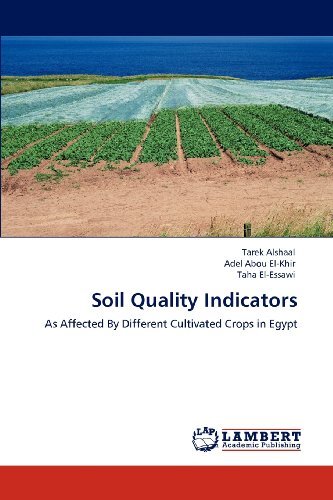
Soil Quality Indicators: As Affected by Different Cultivated Crops in Egypt Taha El-essawi
Pasūtīts no attālās noliktavas
Mūsu klienti saka:


Soil Quality Indicators: As Affected by Different Cultivated Crops in Egypt
Taha El-essawi
Soil quality refers to the capacity of soil to perform agronomic and environmental functions. Important among these functions are: agronomic/biomass productivity, response to management and inputs, and resistance to biotic and abiotic stresses. With reference to agricultural land use, soil quality or health refers to its capacity to sustain and support growth of crops and animals while also maintaining and improving the environment. Such definitions of soil health imply an integrated holistic or system level approach, and are based on the concept that the whole is bigger than sum of its components. Key components include soil properties, processes, and synergistic interactions among them. An integrated approach considers soil as a living system which responds to managerial interventions as does an organism. The present study aimed to add light on soil quality as affected by some adopted farming systems with different kinds of crops: wheat, clover, onion, garlic, faba bean and sugar beet in Egypt.
| Mediji | Grāmatas Paperback Book (Grāmata ar mīksto vāku un līmēto muguru) |
| Izlaists | 2012. gada 11. maijs |
| ISBN13 | 9783659125805 |
| Izdevēji | LAP LAMBERT Academic Publishing |
| Lapas | 116 |
| Izmēri | 150 × 7 × 226 mm · 191 g |
| Valoda | Vācu |
Skatīt visus Taha El-essawi