Pastāsti draugiem par šo preci:
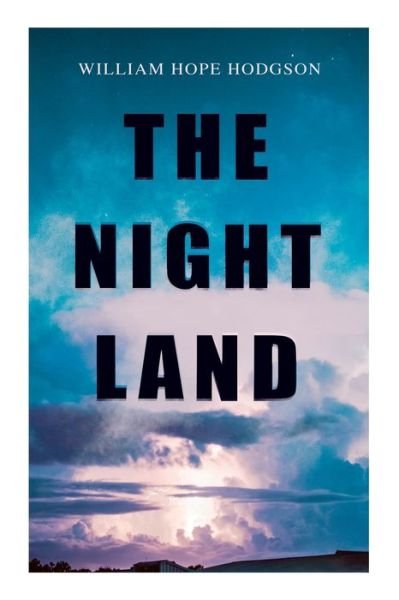
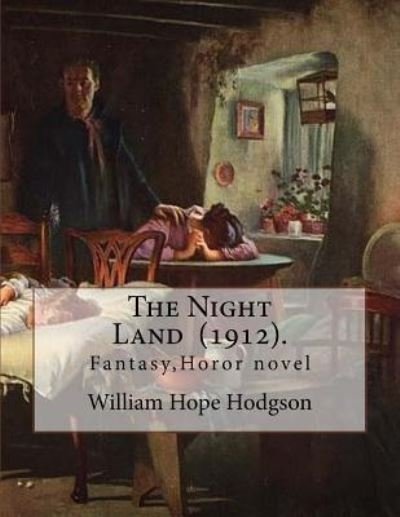
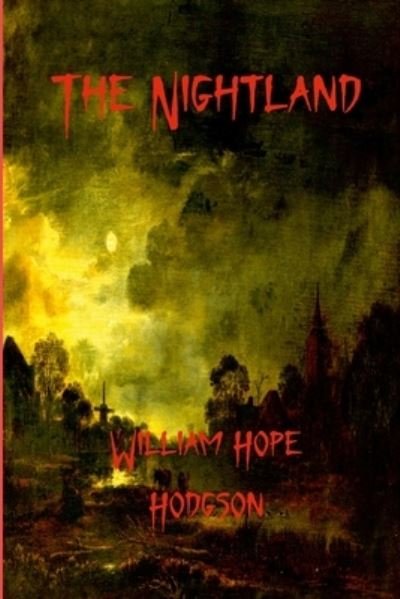
The Night Land (1912). by William Hope Hodgson
Pasūtīts no attālās noliktavas
Mūsu klienti saka:


The Night Land (1912). by
William Hope Hodgson
The Night Land was revived in paperback by Ballantine Books, which republished the work in two parts as the 49th and 50th volumes of its Ballantine Adult Fantasy series in July 1972. H. P. Lovecraft's essay "Supernatural Horror in Literature" describes the novel as "one of the most potent pieces of macabre imagination ever written." Clark Ashton Smith wrote of it that "In all literature, there are few works so sheerly remarkable, so purely creative, as The Night Land. Whatever faults this book may possess, however inordinate its length may seem, it impresses the reader as being the ultimate saga of a perishing cosmos, the last epic of a world beleaguered by eternal night and by the unvisageable spawn of darkness. Only a great poet could have conceived and written this story; and it is perhaps not illegitimate to wonder how much of actual prophecy may have been mingled with the poesy...". Plot summary The beginning of the book establishes the framework in which a 17th-century gentleman, mourning the death of his beloved, Lady Mirdath, is given a vision of a far-distant future where their souls will be re-united, and sees the world of that time through the eyes of a future incarnation. The language and style used are intended to resemble that of the 17th century, though the prose has features characteristic of no period whatsoever: the almost-complete lack of dialogue and proper names, for example. Critic Ian Bell has suggested that John Milton's epic poem "Paradise Lost" (1667) is probably a partial literary inspiration for Hodgson's novel, especially due to the hellish visions of sombre intensity which mark both works, and other similarities including the use of massive structures (the Temple of Pandemonium in Milton and the Last Redoubt in The Night Land).[2] Once into the book, the 17th century framing is mostly inconsequential. Instead, the story focuses on the future. The Sun has gone out and the Earth is lit only by the glow of residual vulcanism. The last few millions of the human race are gathered together in a gigantic metal pyramid, nearly eight miles high
| Mediji | Grāmatas Paperback Book (Grāmata ar mīksto vāku un līmēto muguru) |
| Izlaists | 2018. gada 2. maijs |
| ISBN13 | 9781718650671 |
| Izdevēji | Createspace Independent Publishing Platf |
| Lapas | 268 |
| Izmēri | 216 × 280 × 14 mm · 625 g |
| Valoda | Angļu |









![Cover for William Hope Hodgson · SerieKlubbens GRU-bibliotek: Den okkulte detektiv (Paperback Book) [1. izdevums] (2021)](https://imusic.b-cdn.net/images/item/original/003/9788794179003.jpg?william-hope-hodgson-2021-serieklubbens-gru-bibliotek-den-okkulte-detektiv-paperback-book&class=scaled&v=1623441645)