
Pastāsti draugiem par šo preci:
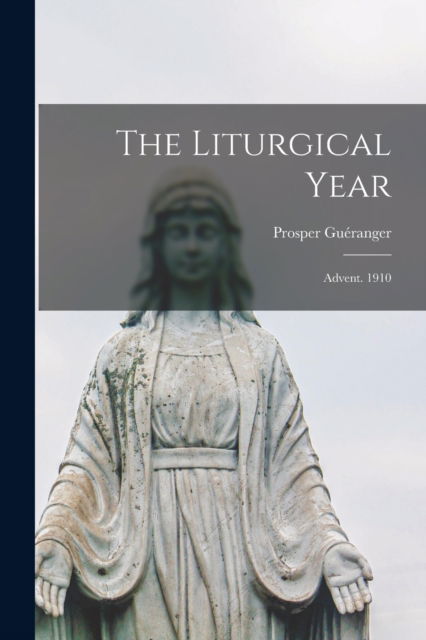
Explanation of the Holy Mass Prosper Gueranger
Mūsu klienti saka:


Explanation of the Holy Mass
Prosper Gueranger
The ordinary of the mass, (or, as it is called in the Roman Missal, Ordo Missae) is the summary of the rubrics and prayers, which are used in the celebration of Mass, and which are observed, without any variation, on all the feasts celebrated by the Church. We shall never have anything like a full idea of the ceremonies of the Mass, unless we keep referring to what is called a High Mass (Missa Solemnis), and which is the type of all others. Thus, one would ask, why does the priest say the Epistle at one side of the altar, and the Gospel at the other? Why not read both from the middle? This has no connection with the Holy Sacrifice itself; it is merely an imitation of what is done in a High Mass, in which the deacon has to sing the Gospel on the left, and the subdeacon the Epistle on the right, as we shall explain further on. The priest who celebrates a Mass without deacon and subdeacon, has to take their functions in this instance; and, accordingly, varies his position. We shall continually have to seek in the ceremonies of a High Mass, for the meaning of those of a Low Mass. The Sacrifice of the Mass is the Sacrifice of the Cross itself; and in it we must see our Lord nailed to the Cross; and offering up his Blood for our sins, to his Eternal Father. And yet we must not expect to find, in the several portions of the Mass, all the detailed circumstances of the Passion, as some authors have pretended to do, when giving us methods for assisting at it. The priest leaves the sacristy, and goes to the altar, there to offer up the Holy Sacrifice. He is, as the rubric expresses it, paratus - that is, he is clad in the sacred vestments, which are appointed for the celebration of the Sacrifice. Having reached the altar, he makes the due reverence before it; that is to say, if the Blessed Sacrament be there, he makes a genuflexion; otherwise, he merely makes a profound inclination. This is the meaning of the rubrics saying: debita reverentia.
| Mediji | Grāmatas Paperback Book (Grāmata ar mīksto vāku un līmēto muguru) |
| Izlaists | 2019. gada 30. decembris |
| ISBN13 | 9781653398409 |
| Lapas | 158 |
| Izmēri | 127 × 203 × 9 mm · 176 g |
| Valoda | Angļu |
![Cover for Prosper Gueranger · Melanges De Liturgie, D'histoire et De Theologie (Ed.1887) (French Edition) (Paperback Book) [French edition] (2022)](https://imusic.b-cdn.net/images/item/original/337/9782012749337.jpg?prosper-gueranger-2022-melanges-de-liturgie-d-histoire-et-de-theologie-ed-1887-french-edition-paperback-book&class=scaled&v=1409848800)


