Pastāsti draugiem par šo preci:
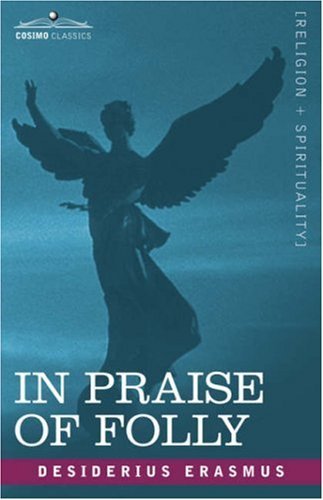
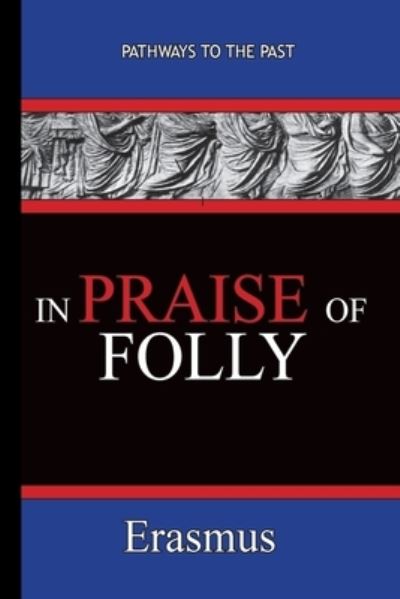
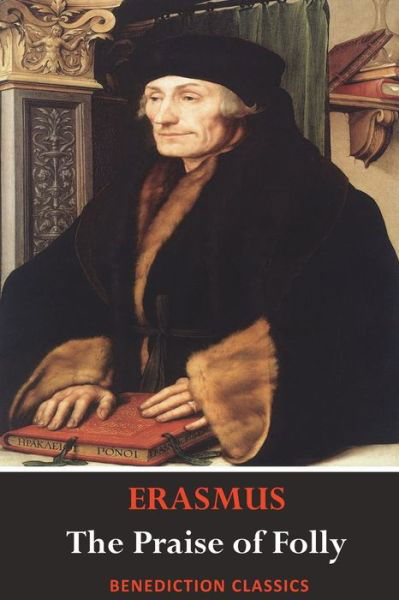
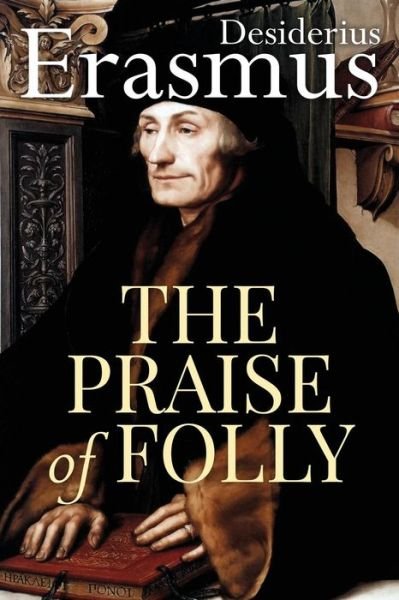
In Praise of Folly Desiderius Erasmus
Pasūtīts no attālās noliktavas
Mūsu klienti saka:


Pieejams arī kā:
In Praise of Folly
Desiderius Erasmus
In Praise of Folly is an essay written in 1509 by Desiderius Erasmus of Rotterdam and first printed in 1511. The essay was inspired by De Triumpho Stultitiae, written by Italian humanist Faustino Perisauli, born at Tredozio, near Forlì. Erasmus revised and extended the work, which he originally wrote in the space of a week while sojourning with Sir Thomas More at More's estate in Bucklersbury. In Praise of Folly is considered one of the most notable works of the Renaissance and one of the catalysts of the Protestant Reformation.
It starts off with a satirical learned encomium after the manner of the Greek satirist Lucian, whose work Erasmus and Sir Thomas More had recently translated into Latin, a piece of virtuoso foolery; it then takes a darker tone in a series of orations, as Folly praises self-deception and madness and moves to a satirical examination of pious but superstitious abuses of Catholic doctrine and corrupt practices in parts of the Roman Catholic Church, to which Erasmus was ever faithful, and the folly of pedants (including Erasmus himself). Erasmus had recently returned disappointed from Rome, where he had turned down offers of advancement in the curia, and Folly increasingly takes on Erasmus' own chastising voice. The essay ends with a straightforward statement of Christian ideals.
The essay is filled with classical allusions delivered in a style typical of the learned humanists of the Renaissance. Folly parades as a goddess, offspring of Pluto, the god of underworld and a nymph, Freshness. She was nursed by two other nymphs Inebriation and Ignorance, her faithful companions include Philautia (self-love), Kolakia (flattery), Lethe (oblivion), Misoponia (laziness), Hedone (pleasure), Anoia (madness), Tryphe (wantonness)and two gods Komos (intemperance) and Eegretos Hypnos (dead sleep). Folly praises herself endlessly, arguing that life would be dull and distasteful without her. Of earthly existence, Folly pompously states, "you'll find nothing frolic or fortunate that it owes not to me."
| Mediji | Grāmatas Paperback Book (Grāmata ar mīksto vāku un līmēto muguru) |
| Izlaists | 2007. gada 1. jūnijs |
| ISBN13 | 9781602064607 |
| Izdevēji | Cosimo Classics |
| Lapas | 108 |
| Izmēri | 140 × 216 × 7 mm · 145 g |
| Valoda | Angļu |
Vairāk no Desiderius Erasmus
Rādīt visu






![Cover for Desiderius Erasmus · The Praise of Folly: Updated Edition - Princeton Classics (Paperback Book) [Updated edition] (2015)](https://imusic.b-cdn.net/images/item/original/646/9780691165646.jpg?desiderius-erasmus-2015-the-praise-of-folly-updated-edition-princeton-classics-paperback-book&class=scaled&v=1468447635)


![Cover for Desiderius Erasmus · Praise of Folly: Newly Translated and Annotated - Also included Pope Julius Barred from Heaven, ‘Epigram against Pope Julius II’ and a selection of his Adages - Evergreens (Paperback Book) [annotated edition] (2013)](https://imusic.b-cdn.net/images/item/original/248/9781847493248.jpg?desiderius-erasmus-2013-praise-of-folly-newly-translated-and-annotated-also-included-pope-julius-barred-from-heaven-epigram-against-pope-julius-ii-and-a-selection-of-his-adages-evergreens-paperback-book&class=scaled&v=1405867971)
Vairāk no šīs sērijas
Vairāk no tā paša izdevēja



















Skatīt visus Desiderius Erasmus