Pastāsti draugiem par šo preci:
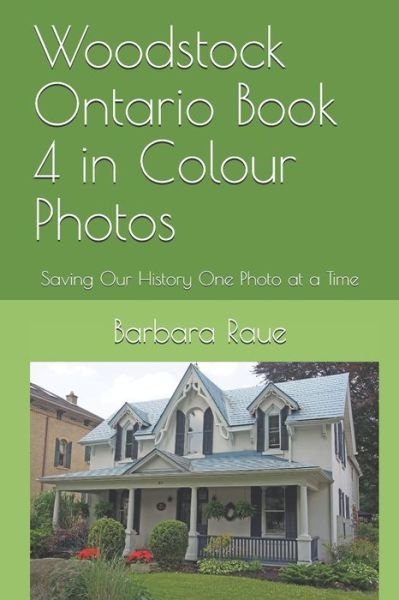
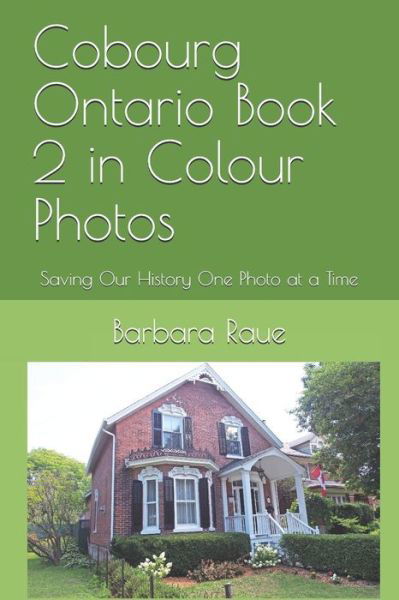
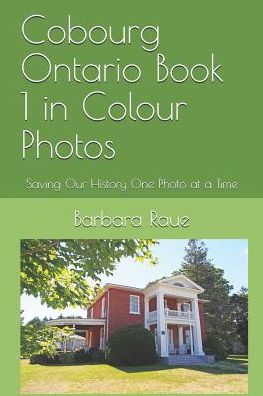
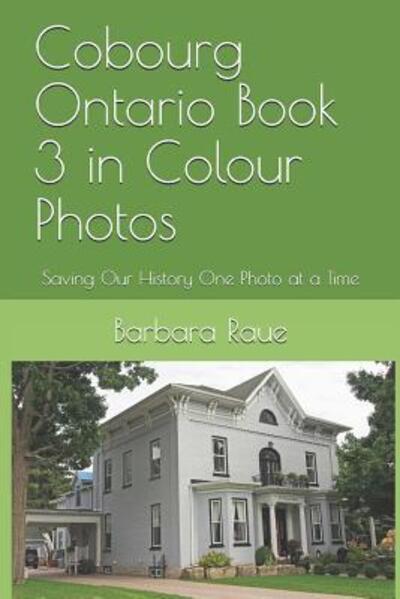
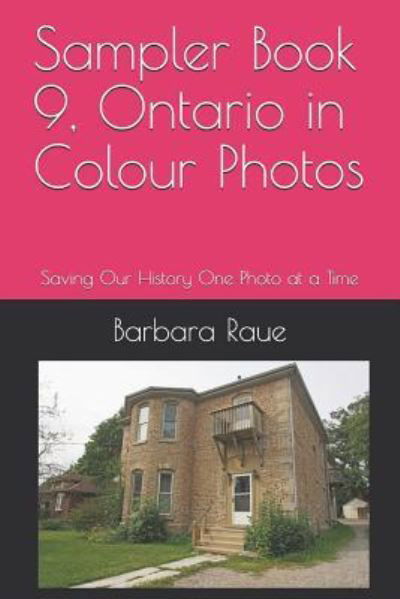
Woodstock Ontario Book 1 in Colour Photos Barbara Raue
Pasūtīts no attālās noliktavas
 Ziemassvētku dāvanas var atgriezt līdz 31. janvārim

Mūsu klienti saka:


Woodstock Ontario Book 1 in Colour Photos
Barbara Raue
Woodstock is located in the heart of South Western Ontario, at the junction of highways 401 and 403, 50 km east of London and 60 km west of Kitchener. Woodstock is the largest municipality in Oxford County, a county known for its rich farmland, and for its dairy and cash crop farming. As well as being "The Dairy Capital of Canada", Woodstock also has a large industrial base, much of which is related to the auto manufacturing industry. In 1792, Sir John Graves Simcoe became Lieutenant Governor of Upper Canada and made plans for the development of the interior of Upper Canada. He envisioned a series of town sites linked by a military road and a system of rivers and canals, providing inland access during an era when commerce and settlements depended on major waterways. London, Chatham, Dorchester and Oxford were designated town sites with London as the defensible capital. The military road stretching from Burlington Bay through Woodstock to London provided an overland supply route for the safe movement of troops and settlers. Simcoe named this road Dundas Street after Henry Dundas, Viscount Melville, Secretary of State for War and the Colonies. To speed development in the sparsely populated interior of the province, Simcoe granted whole townships to land companies who were obligated to bring in settlers. Simcoe passed through the area now known as Woodstock and noted it a suitable "Town Plot" and settlement began here in 1800. In the 1830s, a different group of immigrants were encouraged to settle in Oxford to ensure this community's loyalty to the British crown. British naval and army officers placed on half-pay looked to the colonies for a new career at the conclusion of military service. The first to arrive was Alexander Whalley Light, a retired colonel who came to Oxford County in 1831. He was joined by Philip Graham in 1832, a retired captain of the Royal Navy, and Captain Andrew Drew, on half-pay from the Royal Navy, arrived in Woodstock to make preparations for his superior, Rear-Admiral Henry Vansittart, also on half-pay. Half-pay officers went to considerable lengths to clear their chosen parcels of land. Admiral Vansittart commissioned Colonel Andrew Drew to build a church (Old St. Paul's) in a new area of Oxford that was known as the "Town Plot". The men later quarreled, which led to the construction of a second church known as "New St. Paul's".
| Mediji | Grāmatas Paperback Book (Grāmata ar mīksto vāku un līmēto muguru) |
| Izlaists | 2016. gada 13. marts |
| ISBN13 | 9781530404803 |
| Izdevēji | Createspace Independent Publishing Platf |
| Lapas | 66 |
| Izmēri | 152 × 229 × 4 mm · 136 g |
| Valoda | Angļu |