Pastāsti draugiem par šo preci:
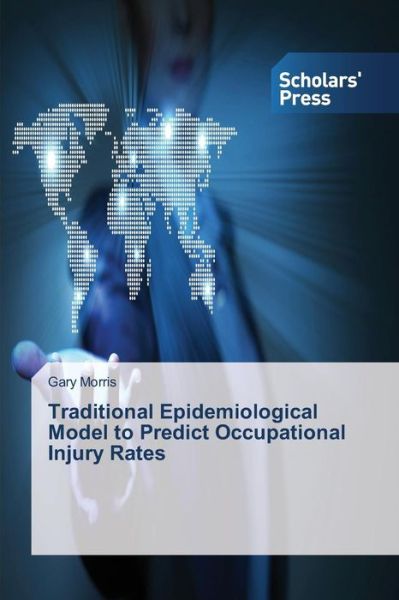
Traditional Epidemiological Model to Predict Occupational Injury Rates Gary Morris
Pasūtīts no attālās noliktavas
 Ziemassvētku dāvanas var atgriezt līdz 31. janvārim

Mūsu klienti saka:


Traditional Epidemiological Model to Predict Occupational Injury Rates
Gary Morris
The purpose of this research is to test the usefulness of the Traditional Epidemiological Theory of disease causation in modeling the effects of work environment characteristics on occupational injury and illness rates. More specifically, the research will use the agent, host, and environment constructs of the Traditional Epidemiological Model to examine the effects of the following six employer health and safety practices on occupational injury and illness rates: (1) the formation of a company labor union, (2) the utilization of industrial hygiene services within the past twelve months, (3) the implementation of a formal safety training program for employees, (4) the hiring of a full-time, on-site safety professional, (5) the hiring of a full-time, on-site occupational health professional, and (6) the number of years of establishment operation. The National Occupational Exposure Survey (NOES), conducted by the National Institute of Occupational Safety and Health (NIOSH) in 1981-1983, will be the data set used to conduct this research study.
| Mediji | Grāmatas Paperback Book (Grāmata ar mīksto vāku un līmēto muguru) |
| Izlaists | 2014. gada 22. aprīlis |
| ISBN13 | 9783639710434 |
| Izdevēji | Scholars' Press |
| Lapas | 72 |
| Izmēri | 150 × 4 × 226 mm · 125 g |
| Valoda | Vācu |

![Cover for Gary Morris · The Dementia Care Workbook (Paperback Book) [Ed edition] (2010)](https://imusic.b-cdn.net/images/item/original/318/9780335234318.jpg?gary-morris-2010-the-dementia-care-workbook-paperback-book&class=scaled&v=1408356904)