Pastāsti draugiem par šo preci:
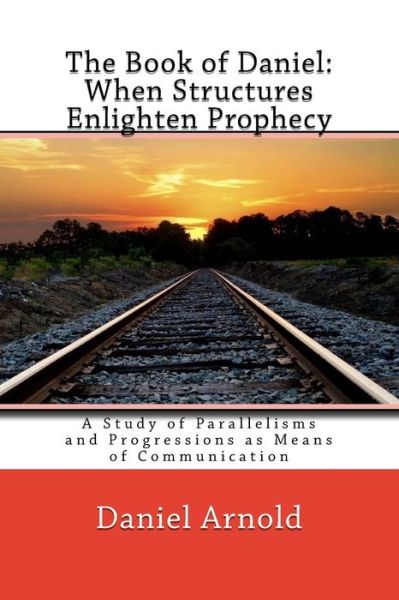
The Book of Daniel. When Structures Enlighten Prophecy Daniel Arnold
Pasūtīts no attālās noliktavas
Mūsu klienti saka:


The Book of Daniel. When Structures Enlighten Prophecy
Daniel Arnold
Daniel's structure is a puzzle. The work is written in two languages that divide the book into three parts (Da 1; 2-7; 8-12); there are also two genres (narrative and apocalyptic) that divide the book into two parts that do not correspond to the language structure (Da 1-6; 7-12). Moreover, the narrative section describes the integration of faithful believers with pagan powers, but the apocalyptic section is generally understood to support resistance and opposition to the occupant. How do we account for the signs of unity and diversity, and what message is conveyed through the complex structure(s)? This thesis analyses Daniel from the perspective of parallelism and duality, which are basic paradigms of Hebrew communication. Three global structures (linguistic, genre, and era) are developed and supported with literary arguments. Justification for complementary perspectives is offered. The case for the book's unity is further strengthened by links tying each chapter to the preceding one. On a different level, the book's oneness (unity/completeness) is supported by the meticulous selectivity of specific items: proper names and chronological references form many dualities (pairs), quartets, and groups of seven. Duality is also present at the level of the book's themes, and helps to express diversity. Three main themes (time, revelation, and redemption) present contrasting sides: (1) present vs. end-time perspective, and prolonged sequences vs. limited time durations; (2) revelation given to pagans vs. mysteries kept for future believers; (3) salvation from present trials vs. suffering from final persecution, and delayed judgments vs. final judgments. Comparisons of various building blocks and theme references show progressions that run through the book, thus adding dynamism to unity and diversity. The seven visions reveal a progression in clarity and animation; and oppression to God and the faithful is expressed through the progressive hardening of kings, court officials, and evil kingdoms. The final step of the comparative exegetical approach analyses Daniel from the perspective of the canon. Four antithetical perspectives are suggested: the Babel story, Joseph the patriarch, Ezekiel the contemporary exilic prophet, and the book of Revelation. A review chart of structures, insights into Daniel's central message, and a few comments on authorship, historicity, and eschatology conclude the study.
| Mediji | Grāmatas Paperback Book (Grāmata ar mīksto vāku un līmēto muguru) |
| Izlaists | 2016. gada 1. septembris |
| ISBN13 | 9781537382722 |
| Izdevēji | Createspace Independent Publishing Platf |
| Lapas | 372 |
| Izmēri | 152 × 229 × 20 mm · 494 g |
| Valoda | Angļu |


![Cover for Daniel Arnold · Steigerung Sozial-emotionaler Kompetenzen in Unternehmen: Motivation, Förderung Und Entwicklung (Paperback Book) [German edition] (2001)](https://imusic.b-cdn.net/images/item/original/110/9783838631110.jpg?daniel-arnold-2001-steigerung-sozial-emotionaler-kompetenzen-in-unternehmen-motivation-forderung-und-entwicklung-paperback-book&class=scaled&v=1408628719)