Pastāsti draugiem par šo preci:
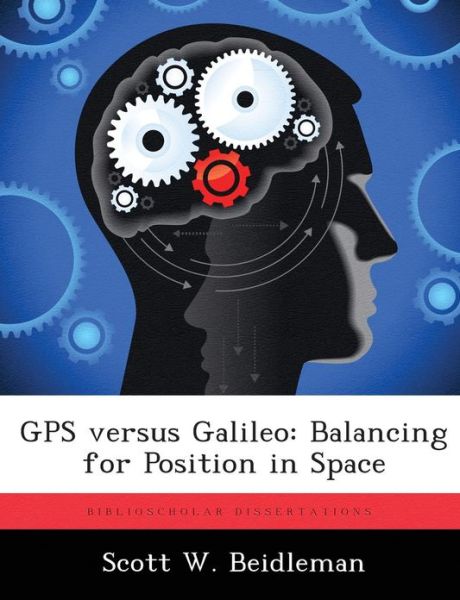
GPS Versus Galileo: Balancing for Position in Space Scott W Beidleman
Pasūtīts no attālās noliktavas
Mūsu klienti saka:


Pieejams arī kā:
GPS Versus Galileo: Balancing for Position in Space
Scott W Beidleman
Publisher Marketing: This study investigates Europe's motives to develop the independent satellite navigation system known as Galileo, despite the existence of America's successful Global Positioning System (GPS). The study begins by analyzing both systems to familiarize the reader with global navigation satellite systems (GNSS) and to provide an understanding of the strengths and weaknesses of GPS and Galileo, as well as the systems' similarities and differences. Although the two systems have different founding principles, they employ similar infrastructures and operational concepts. In the short term Galileo will provide better accuracy for civilian users until GPS upgrades take effect. But performance is only part of the rationale. The author contends that Europe's pursuit of Galileo is driven by a combination of reasons including performance, independence, and economic incentive. With Galileo, Europe hopes to achieve political, security, and technological independence from the US. Additionally, Europe envisions overcoming the US monopoly on GNSS by seizing a sizable share of the expanding GNSS market and setting a new world standard for satellite navigation. Finally, the author explores Galileo's impact on the US and reviews US policy towards Galileo. The study concludes with recommendations to strengthen the competitiveness of GPS.
| Mediji | Grāmatas Paperback Book (Grāmata ar mīksto vāku un līmēto muguru) |
| Izlaists | 2012. gada 16. novembris |
| ISBN13 | 9781288306121 |
| Izdevēji | Biblioscholar |
| Lapas | 92 |
| Izmēri | 189 × 246 × 5 mm · 181 g |
