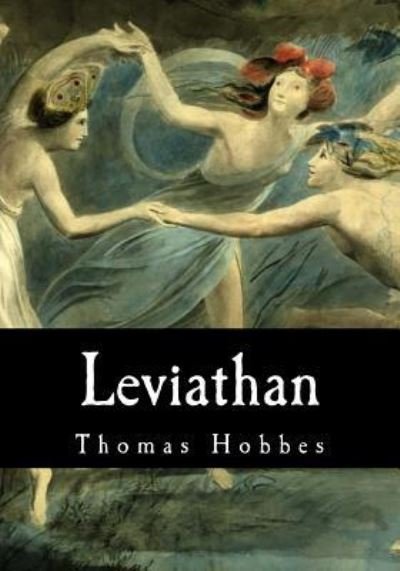
Pastāsti draugiem par šo preci:
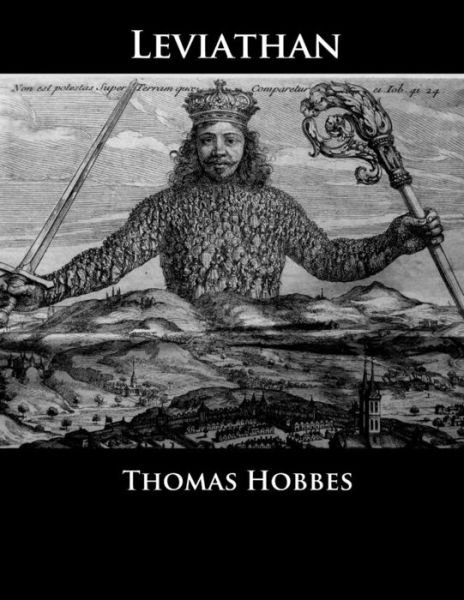
Leviathan Thomas Hobbes
Mūsu klienti saka:


Pieejams arī kā:
- Paperback Book (2011) € 14,49
- Paperback Book (2017) € 15,49
- Paperback Book (2018) € 16,49
- Paperback Book (2017) € 17,99
- Paperback Book (2015) € 17,99
- Paperback Book (2018) € 18,49
- Paperback Book (2014) € 18,49
- Paperback Book (2011) € 19,49
- Paperback Book (2016) € 19,49
- Paperback Book (2014) € 19,49
- Paperback Book (2018) € 20,99
- Paperback Book (2018) € 21,99
- Paperback Book (2016) € 21,99
- Paperback Book (2017) € 21,99
- Paperback Book (2016) € 21,99
- Paperback Book (2016) € 22,99
- Paperback Book (2023) € 23,49
- Paperback Book (2021) € 23,49
- Paperback Book (2017) € 23,49
- Paperback Book (2015) € 24,99
- Paperback Book (2013) € 25,49
-
Paperback BookReprint edition(2008) € 26,49
- Paperback Book (2014) € 29,49
- Paperback Book (2007) € 29,49
- Paperback Book (2007) € 29,49
Leviathan
Thomas Hobbes
Thomas Hobbes (1588 -1679), was an English philosopher who is considered one of the founders of modern political philosophy.] Hobbes is best known for his 1651 book Leviathan, which established the social contract theory that has served as the foundation for most later Western political philosophy. In addition to political philosophy, Hobbes also contributed to a diverse array of other fields, including history, jurisprudence, geometry, the physics of gases, theology, ethics, and general philosophy. Hobbes begins his treatise on politics with an account of human nature. He presents an image of man as matter in motion, attempting to show through example how everything about humanity can be explained materialistically, that is, without recourse to an incorporeal, immaterial soul or a faculty for understanding ideas that are external to the human mind. Hobbes proceeds by defining terms clearly and unsentimentally. Good and evil are nothing more than terms used to denote an individual's appetites and desires, while these appetites and desires are nothing more than the tendency to move toward or away from an object. Hope is nothing more than an appetite for a thing combined with opinion that it can be had. He suggests the dominant political theology of the time, Scholasticism, thrives on confused definitions of everyday words, such as incorporeal substance, which for Hobbes is a contradiction in terms.
| Mediji | Grāmatas Paperback Book (Grāmata ar mīksto vāku un līmēto muguru) |
| Izlaists | 2017. gada 29. jūnijs |
| ISBN13 | 9781548325367 |
| Izdevēji | Createspace Independent Publishing Platf |
| Lapas | 284 |
| Izmēri | 178 × 254 × 15 mm · 494 g |
| Valoda | Angļu |
Vairāk no Thomas Hobbes
Rādīt visu![Cover for Thomas Hobbes · Gateway to the Social Contract: Selections from Thomas Hobbes' Leviathan, John Locke's Second Treastise on Government, and Jean-Jacques Rousseau's The Social Contract - Gateway to (Paperback Book) [Paperback Original edition] (2028)](https://imusic.b-cdn.net/images/item/original/519/9781684514519.jpg?thomas-hobbes-2028-gateway-to-the-social-contract-selections-from-thomas-hobbes-leviathan-john-locke-s-second-treastise-on-government-and-jean-jacques-rousseau-s-the-social-contract-gateway-to-paperback-book&class=scaled&v=1689185114)
![Cover for Thomas Hobbes · Leviathan - Oxford World's Classics (Paperback Book) [2 Revised edition] (2024)](https://imusic.b-cdn.net/images/item/original/749/9780192868749.jpg?thomas-hobbes-2024-leviathan-oxford-world-s-classics-paperback-book&class=scaled&v=1706642772)






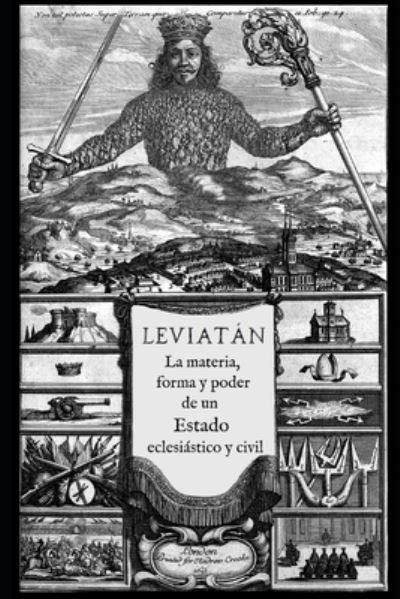




![Cover for Thomas Hobbes · Leviatan (Paperback Book) [Spanish edition] (2017)](https://imusic.b-cdn.net/images/item/original/279/9781545344279.jpg?thomas-hobbes-2017-leviatan-paperback-book&class=scaled&v=1664013204)










Vairāk no šīs sērijas

![Cover for Thomas Hobbes · Leviathan: or the Matter, Forme, and Power of a Commonwealth Ecclesiasticall and Civil (Paperback Book) [Reprint edition] (2008)](https://imusic.b-cdn.net/images/item/original/609/9781416573609.jpg?thomas-hobbes-2008-leviathan-or-the-matter-forme-and-power-of-a-commonwealth-ecclesiasticall-and-civil-paperback-book&class=scaled&v=1410262952)

![Cover for Thomas Hobbes · Leviathan: or the Matter, Forme and Power of a Commonwealth Ecclasiasticall and Civil - Skeptical Reader Series (Paperback Book) [Reprint edition] (2009)](https://imusic.b-cdn.net/images/item/original/815/9781596980815.jpg?thomas-hobbes-2009-leviathan-or-the-matter-forme-and-power-of-a-commonwealth-ecclasiasticall-and-civil-skeptical-reader-series-paperback-book&class=scaled&v=1647745900)
![Cover for Thomas Hobbes · Leviathan (Royal Collector's Edition) (Case Laminate Hardcover with Jacket) (Hardcover Book) [Royal Collector's edition] (2020)](https://imusic.b-cdn.net/images/item/original/649/9781774378649.jpg?thomas-hobbes-2020-leviathan-royal-collector-s-edition-case-laminate-hardcover-with-jacket-hardcover-book&class=scaled&v=1640009210)

![Cover for Thomas Hobbes · Leviathan - Classics of World Literature (Paperback Book) [UK edition] (2014)](https://imusic.b-cdn.net/images/item/original/338/9781840227338.jpg?thomas-hobbes-2014-leviathan-classics-of-world-literature-paperback-book&class=scaled&v=1405420230)
![Cover for Thomas Hobbes · Leviathan (Collector's Edition) (Laminated Hardback with Jacket) (Hardcover Book) [Collector's edition] (2024)](https://imusic.b-cdn.net/images/item/original/491/9781998621491.jpg?thomas-hobbes-2024-leviathan-collector-s-edition-laminated-hardback-with-jacket-hardcover-book&class=scaled&v=1732580909)

Skatīt visus Thomas Hobbes ( piem., Paperback Book , Hardcover Book , Book , CD un Bound Book )